
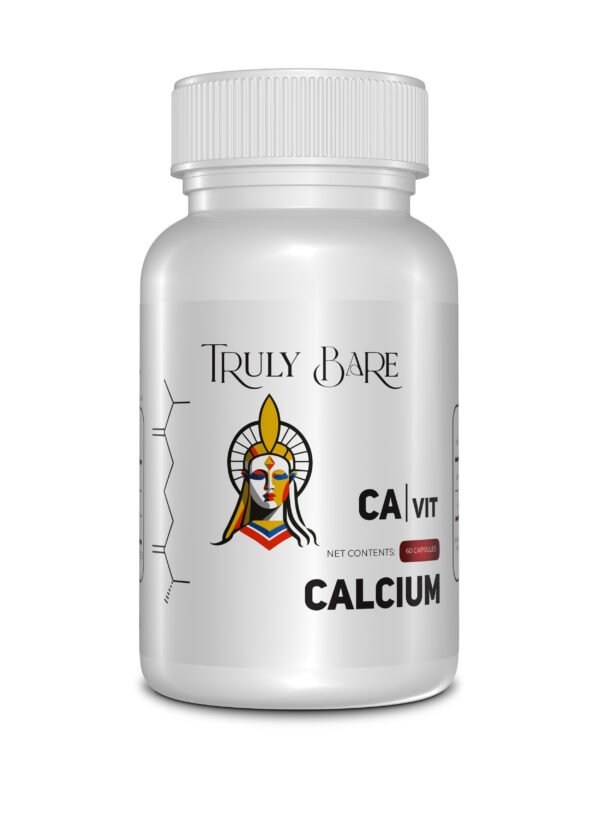






Bone Health: Calcium is a major component of bones and teeth. Adequate calcium intake helps in the development and maintenance of strong and healthy bones, reducing the risk of osteoporosis and fractures, especially in older adults.
Muscle Function: Calcium is involved in muscle contraction and relaxation. It plays a vital role in transmitting signals between nerve cells and muscle cells, helping muscles function properly.
Blood Clotting: Calcium is essential for blood clotting, a process that prevents excessive bleeding when there is an injury. It is involved in the activation of several clotting factors.
Nerve Transmission: Calcium ions play a crucial role in transmitting nerve impulses. They are involved in the release of neurotransmitters, facilitating communication between nerve cells.
Heart Health: Calcium is essential for maintaining the normal rhythm of the heart. It helps in the contraction of the heart muscles and supports overall cardiovascular function.
Prevention of Hypocalcemia: Calcium supplements can be used to prevent or treat conditions of low blood calcium levels (hypocalcemia), which can occur due to certain medical conditions or medications.
Pregnancy and Breastfeeding: Adequate calcium intake is important during pregnancy and breastfeeding for the development of the baby’s bones and teeth. Calcium supplements may be recommended to ensure sufficient intake.
As with any supplement, it’s advisable to consult with a healthcare professional before starting a new regimen, especially if you have pre-existing health conditions or are taking medications.