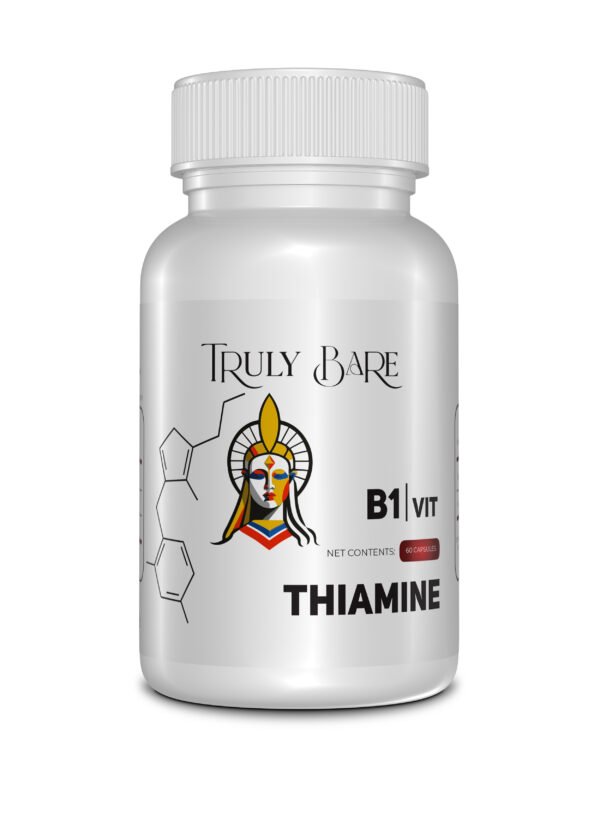



Energy Metabolism: Thiamine is a key component in the conversion of carbohydrates into energy. It helps the body convert food into ATP (adenosine triphosphate), the primary source of energy for cells.
Nervous System Function: Thiamine is important for the proper functioning of the nervous system. It is involved in the synthesis of neurotransmitters, which are essential for transmitting signals between nerve cells.
Heart Health: Thiamine is beneficial for cardiovascular health. It helps in the maintenance of a healthy heart by supporting the proper functioning of cardiac muscles.
Cognitive Function: Adequate levels of thiamine are necessary for normal cognitive function. A deficiency in vitamin B1 can lead to neurological issues and cognitive impairment.
Digestive System Support: Thiamine plays a role in the production of hydrochloric acid in the stomach, which aids in the digestion of food.
Stress Response: Thiamine is involved in the body’s response to stress and helps in maintaining a healthy immune system.
Improved Mood: There is some evidence to suggest that thiamine supplementation may have a positive impact on mood and may help alleviate symptoms of mood disorders.
As with any supplement, it’s advisable to consult with a healthcare professional before starting a new regimen, especially if you have pre-existing health conditions or are taking medications.