

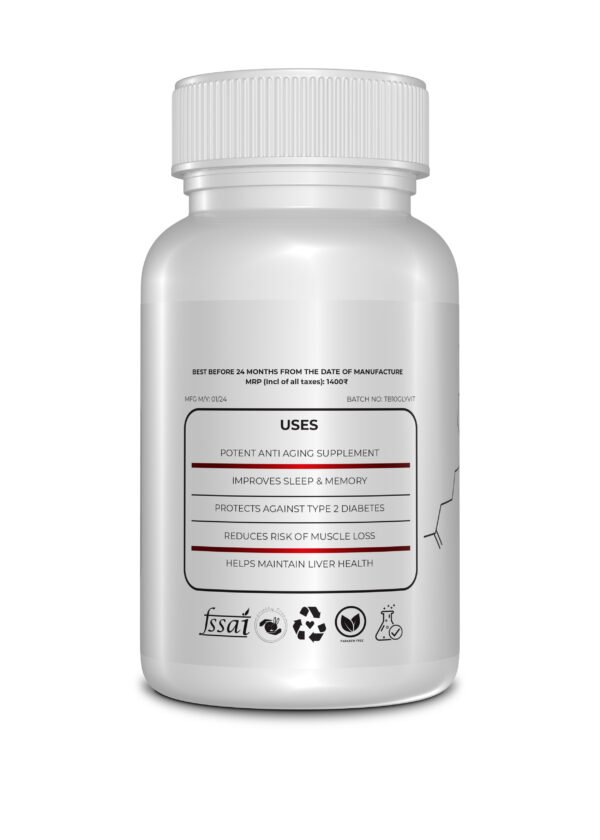




Improved Sleep Quality: Glycine has been studied for its potential to improve sleep quality. Some research suggests that taking glycine before bedtime may help with sleep onset and overall sleep quality.
Support for Cognitive Function: Glycine is involved in the transmission of signals in the brain and may have a role in supporting cognitive function. Some studies have explored its potential neuroprotective effects.
Joint Health: Glycine is a component of collagen, which is essential for joint health. Supplementing with glycine may contribute to the maintenance of healthy joints and connective tissues.
Antioxidant Properties: Glycine has antioxidant properties, which means it may help neutralize harmful free radicals in the body. Antioxidants play a role in protecting cells from oxidative stress.
Muscle Tissue Repair: As an amino acid, glycine is involved in protein synthesis, which is essential for the repair and maintenance of muscle tissue. Athletes and individuals engaged in physical activity may benefit from glycine supplementation.
Gut Health: Glycine is a key component of collagen, which is important for the health of the gut lining. It may contribute to the maintenance of a healthy digestive system.
Blood Sugar Regulation: Some studies have suggested that glycine may play a role in regulating blood sugar levels. It may have a beneficial impact on insulin sensitivity.
Cardiovascular Health: There is some evidence to suggest that glycine may have cardiovascular benefits, including its potential to support healthy blood lipid levels.
Mood Support: Glycine is involved in the synthesis of neurotransmitters, which are chemicals that transmit signals in the brain. Some research has explored its potential role in mood regulation.
As with any supplement, it’s advisable to consult with a healthcare professional before starting a new regimen, especially if you have pre-existing health conditions or are taking medications.