




Antioxidant Protection: Vitamin E is a powerful antioxidant that helps protect cells from damage caused by free radicals. This can contribute to reducing oxidative stress in the body.
Skin Health: Vitamin E is known for its skin-nourishing properties. It may help promote skin elasticity, reduce the signs of aging, and contribute to overall skin health.
Heart Health: Some studies suggest that vitamin E may play a role in supporting cardiovascular health by preventing the oxidation of LDL cholesterol, which is believed to contribute to arterial plaque formation.
Immune Function: Vitamin E helps maintain the integrity of cell membranes, which is important for the proper functioning of the immune system.
Eye Health: Vitamin E may contribute to eye health by protecting the cells of the eyes from oxidative damage. It is often included in supplements designed to support vision.
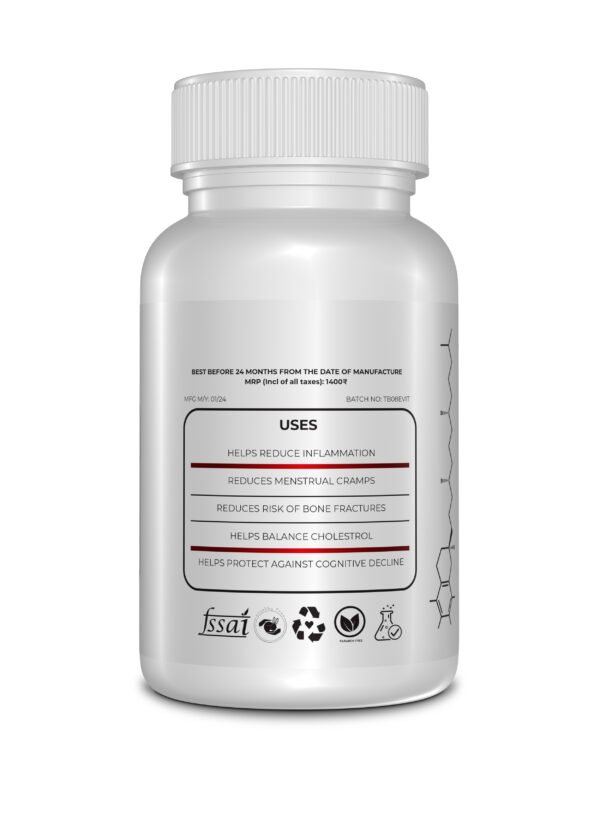
Anti-Inflammatory Properties: Vitamin E may have mild anti-inflammatory effects, which could be beneficial in conditions where inflammation plays a role.
Neurological Health: Some research suggests that vitamin E may have a protective effect on nerve cells, which could be relevant to neurological health.
As with any supplement, it’s advisable to consult with a healthcare professional before starting a new regimen, especially if you have pre-existing health conditions or are taking medications.