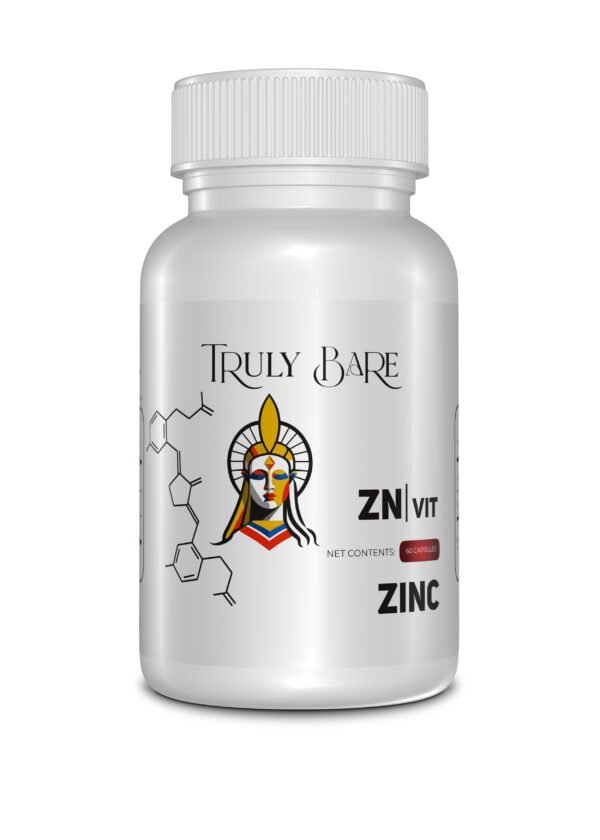
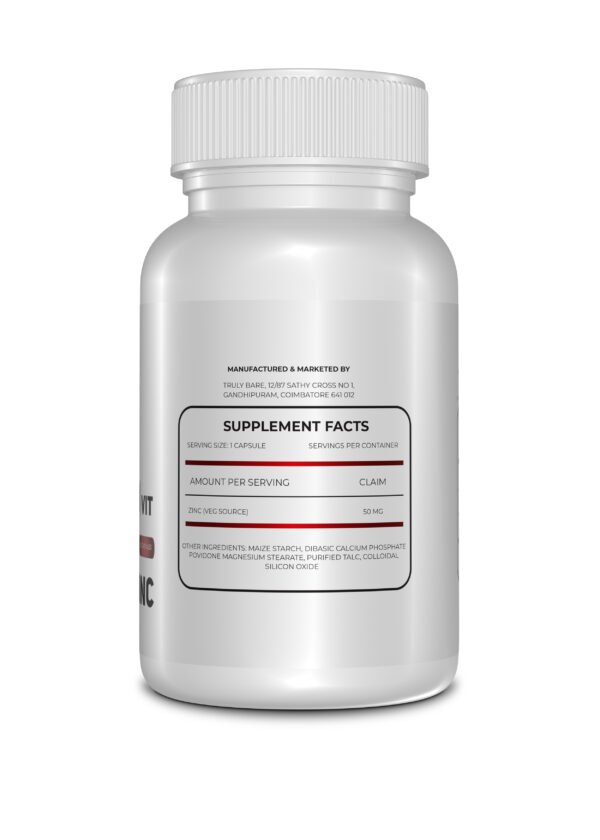



Immune System Support: Zinc is known to support the immune system by promoting the function of immune cells. It helps in the development and function of white blood cells, which play a key role in the body’s defense against infections.
Wound Healing: Zinc is involved in the process of wound healing and tissue repair. It plays a role in cell division and is essential for the maintenance of skin integrity.
Antioxidant Properties: Zinc acts as an antioxidant, helping to protect cells from damage caused by free radicals. This can contribute to overall cellular health.
Improved Cognitive Function: Zinc is important for normal brain function and has been linked to cognitive performance. Adequate zinc levels may support memory and concentration.
Reproductive Health: Zinc is crucial for reproductive health in both men and women. It plays a role in sperm production and is important for normal fetal development during pregnancy.
Balanced Hormones: Zinc is involved in the regulation of hormones, including those involved in stress response and the development of reproductive organs.
Support for Skin Health: Zinc is known for its role in maintaining skin health. It may help in the management of acne and other skin conditions.
Prevention of Zinc Deficiency: In cases where dietary intake is insufficient or absorption is impaired, zinc supplementation can prevent or alleviate symptoms of zinc deficiency, such as impaired growth, delayed wound healing, and immune system dysfunction.
As with any supplement, it’s advisable to consult with a healthcare professional before starting a new regimen, especially if you have pre-existing health conditions or are taking medications.